

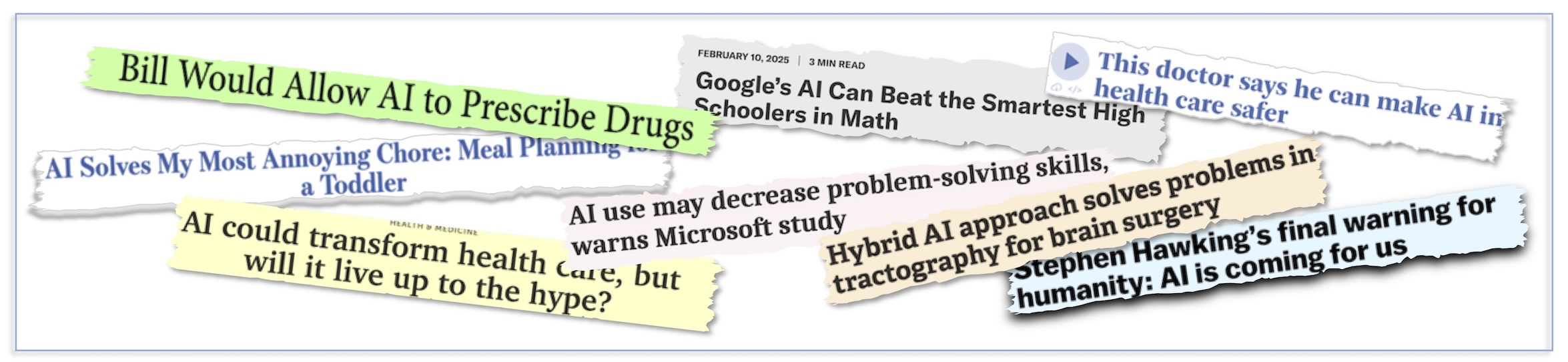
Artificial intelligence (AI) has created paradigm shifts in many human endeavors and industries, but the much anticipated AI-driven discovery of disease mechanisms, treatment targets, and precision medicine strategies has yet to materialize. A key constraint is that the data sets available for these challenges typically do not capture the full complexity of human health across a lifetime. On 2 June 2025, Council members of the Nordic Society of Human Genetics and Precision Medicine (NSHG-PM) gathered in Copenhagen, Denmark, for a roundtable with expert guests and industry representatives to explore the potential for multimodal Nordic data, combined with AI technology and expertise, to address this problem.
The discussions, led by Ole Andreassen (University of Oslo), Søren Brunak (University of Copenhagen), and Olli Kallioniemi (University of Helsinki), concluded that this would require ongoing and dedicated funding and an initiative supported by the Nordic governments. Such an initiative should initiate pilot projects that demonstrate the potential impact in high-burden disorders. Partnerships with several industrial sectors will be crucial, but these must be transparent, such that a Nordic AI-Health initiative aligns with Nordic values, expectations for data security, and other European health data and AI activities.
These insights and others from the roundtable and follow-up meetings are now informing the development of a manuscript outlining the opportunities for AI in research, innovation, and healthcare across the Nordic countries.